A divorce involving infidelity, abuse, controlling behavior, or a highly confrontational spouse can feel especially overwhelming.
You may be worried about your children, your finances, your safety, and what your spouse might do next.
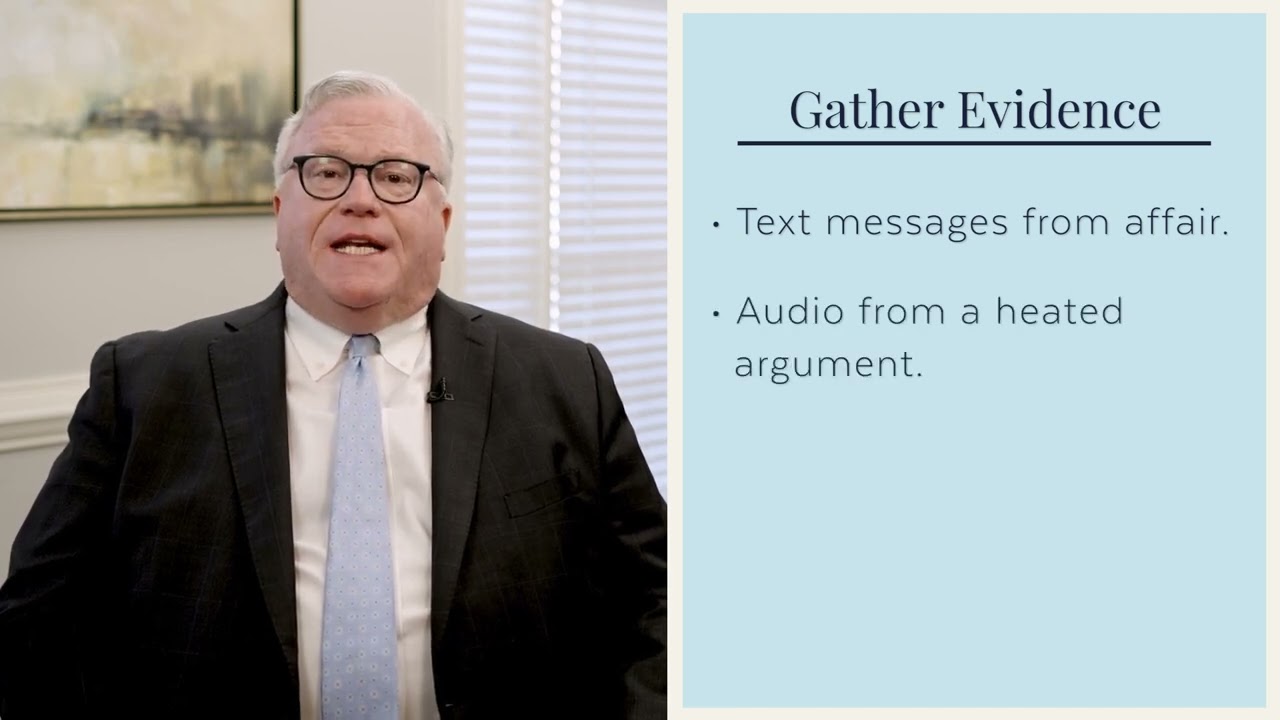
In this video, Georgia family law attorney Bill Gentry discusses four practical steps that may help you prepare for a difficult or high-conflict divorce.
1. Take Care of Your Emotional Health
Divorce can affect nearly every area of your life. Before trying to manage the legal, financial, and parenting issues ahead, make sure you are also taking care of yourself.
Counseling, support from trusted friends or family members, and other mental-health resources may help you remain steady and make more thoughtful decisions. Taking care of your emotional well-being can also help you be a more present parent and a more effective participant in your case.
2. Preserve Potentially Important Information
Documents and communications may become important during a contested divorce. Depending on your circumstances, this could include:
- Text messages and emails
- Financial records
- Social media posts
- Photographs
- Records of threats, harassment, or concerning conduct
- Communications that may relate to infidelity, parenting, or the use of marital funds
Georgia generally permits someone to record a conversation when that person is a party to it. However, recording laws and the rules governing the use of evidence can be complicated. Speak with a Georgia divorce attorney before recording conversations, accessing private accounts, or taking other steps to collect evidence.
Preserve information carefully and avoid altering, deleting, or improperly accessing records.
3. Prepare for Your Immediate Financial Needs
If you have relied financially on your spouse during the marriage, consider how you would cover basic expenses if access to marital funds suddenly changed.
Reasonable preparation might include reviewing your household finances, gathering copies of account statements, understanding your monthly expenses, and exploring whether you qualify for credit in your own name.
Do not hide, transfer, or spend marital funds in an attempt to keep them from your spouse. Before making significant financial changes, speak with an attorney about how to protect yourself without creating additional problems for your case.
4. Use Restraint as a Strategic Advantage
When emotions are high, it can be tempting to respond publicly or confrontationally. That reaction may provide the other side with information that can later be used against you.
Avoid posting negative comments about your spouse on social media. Do not involve your children in adult disputes or speak disparagingly about the other parent in front of them. Keep written communications focused, factual, and respectful whenever possible.
In a high-conflict divorce, restraint is not weakness. It can help protect your credibility and make it more difficult for the opposing side to shift attention away from its own conduct.
Get Guidance Before the Conflict Escalates
You do not have to wait until a difficult situation becomes a crisis before speaking with a lawyer. Early legal guidance can help you understand what information to preserve, how to prepare financially, and which steps may be appropriate for your circumstances.
Bill Gentry has practiced divorce and family law since the late 1980s and has helped clients navigate complex and highly contested family law matters.
Contact Gentry Law Firm to discuss your situation and learn about your options.
This information is provided for general educational purposes and is not legal advice. Every situation is different. Consult a Georgia family law attorney before acting on information related to recordings, finances, evidence, safety, or divorce strategy.